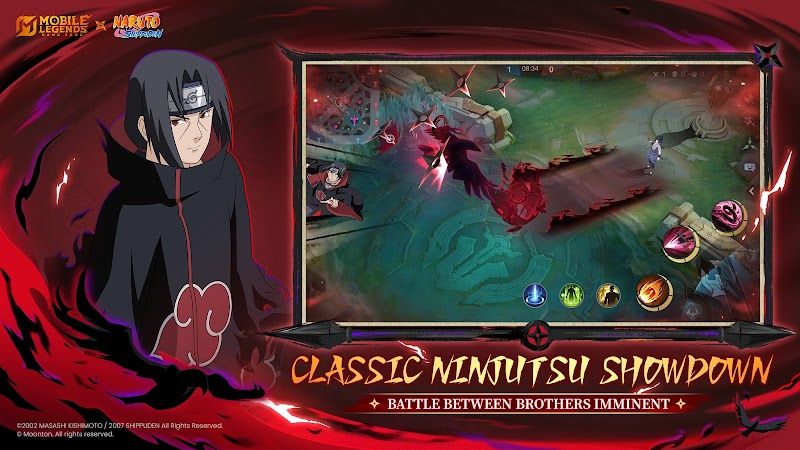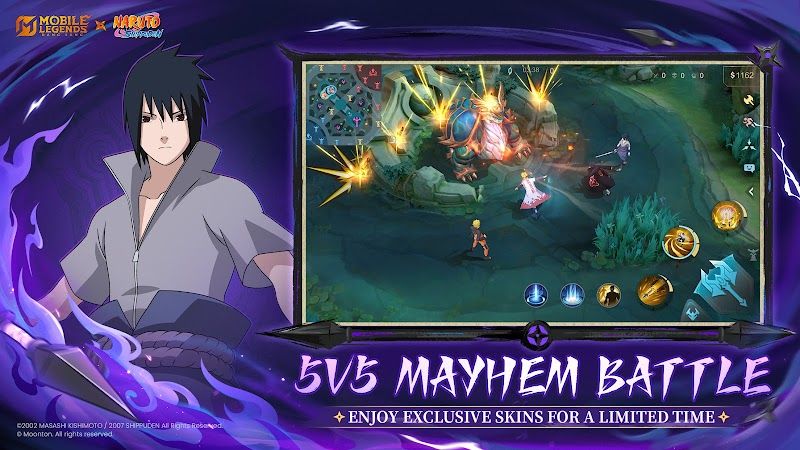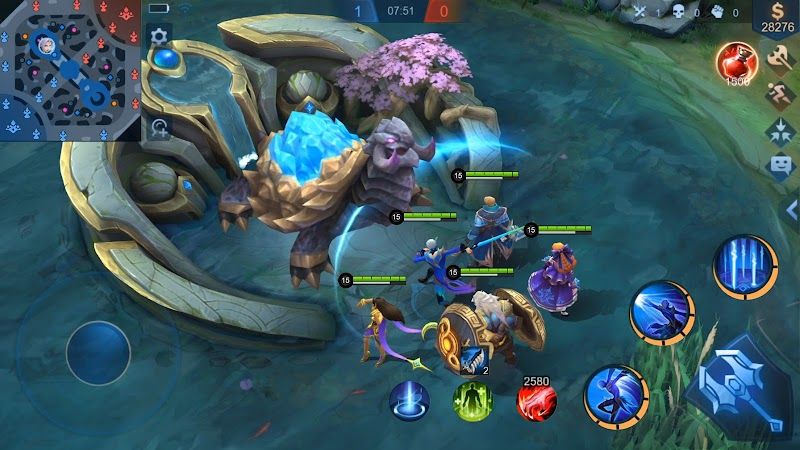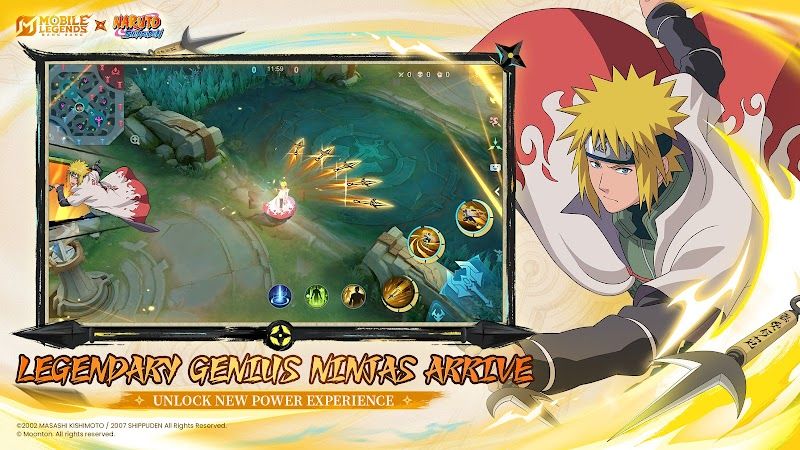
















Mobile Legends: Bang Bang is created by MOONTON, and it proved to be one of the best mobile MOBA experiences after its release. It is a 5 player online battle arena game and the player has to ruin the base of the enemy with defending own base on a three-lane map. The game has more than 120 heroes with six roles: Tank, Fighter, Assassin, Mage, Marksman, and Support, and this provides a wide range of tactical options. Nevertheless, the most obvious feature of Mobile Legends: Bang Bang in comparison with rivals is a complex drafting stage and counter hero mechanics.
Mobile Legends: Bang Bang draft system is a ban-pick format on Ranked matches, with each team banning three heroes in turns before picking their champions. This mechanic is the core of the competitive gameplay since the insights into meta heroes and their counter become important. As an example, backdoor strategy can be played well by heroes such as Ling due to his mobility on the walls, but he is directly opposed by heroes such as Khufra who has area denial such as Bouncing Ball ability that can push Ling off the walls. Similarly, Fanny's signature cable-based hyper-mobility becomes nearly useless against heroes with continuous crowd control like Khufra or heroes that can drain her energy like Cyclops.
The benefits of such a counter-picking system are enormous. It also rewards game knowledge and tactical thinking over mechanical skill, making the skill ceiling higher so that a game veteran player is never bored. The system also helps to avoid the staleness of the meta because even the most powerful heroes have their weak points. The acquisition of knowledge is also rewarding as players who spend time to learn about hero matchups are able to gain considerable competitive advantages. Besides, this system promotes diversity in rosters, players do not have an opportunity to one-trick one hero to the top, because their primary can be banned or countered.
Nevertheless, such benefits are accompanied by a significant number of disadvantages. The learning curve is very steep to new entrants, where they not only have to learn the abilities of the 120+ heroes, but also their intricate network of counter-relationships. The system might be punishing towards casual players who have limited access to the hero pool because the choices that they find comfortable might not be allowed or be countered and they are forced to play champions they do not know well. This creates a significant barrier to entry for Ranked mode, where draft knowledge becomes as important as mechanical execution.
Furthermore, the counter system occasionally leads to frustrating determinism. Some matchups feel decided before minions spawn—playing Fanny against a team with Khufra, Cyclops, and Saber can render the hero nearly unplayable regardless of skill. This rock-paper-scissors element sometimes overshadows individual performance, creating scenarios where team composition matters more than player skill.
The meta-chasing problem also emerges from this system. Players often feel pressured to purchase newly released or buffed heroes immediately, as failing to adapt to meta shifts means falling behind in draft phase. This creates a pay-to-compete perception, though skilled players can succeed with older heroes through superior counter-picking knowledge.
In conclusion, Mobile Legends' draft and counter system represents its greatest strength and most significant challenge. It generates strategic richness that keeps the interest over the long term and at the same time creates obstacles which can put off new entrants. The system provides rewarding complexity to those players who find time to master these mechanics. But this possibility might frustrate the casual players who want to have a simple fun.
By Jerry | Copyright © Gameyaya - All Rights Reserved